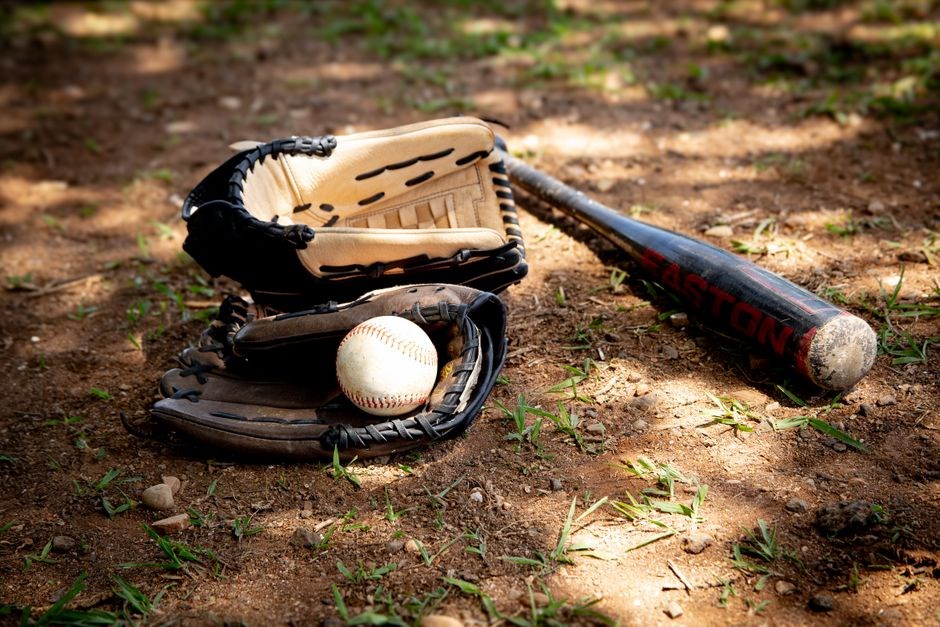
Choosing the right baseball bat hinges on balancing weight, length, and material to match a player’s swing speed and strength. A proper fit enhances contact, reduces fatigue, and maximizes power while keeping the bat within league regulations.
Height and arm reach also influence bat feel.!!!
Purpose and Scope
The purpose of this bat sizing guide is to equip coaches, parents, and players with a systematic framework for selecting a bat that aligns with individual physical attributes, skill level, and competitive context. By integrating empirical research on swing mechanics, biomechanical load, and league specifications, guide offers a step‑by‑step methodology that starts with fundamental measurements—height, arm span, and weight—and progresses to nuanced considerations such as swing tempo, power potential, and preferred contact zone. The scope extends beyond mere weight and length; it encompasses material science, balance dynamics, and the regulatory landscape of youth, high school, collegiate, and professional play. The guide is designed to be adaptable, allowing users to apply its principles across a spectrum of equipment brands and models while remaining compliant with governing bodies like the NCAA, NFHS, and MLB. Ultimately, the guide seeks to reduce injury risk, improve performance consistency, and foster informed decision‑making in bat selection. Data analytics play a key role; players should log swing velocity, launch angle, and bat speed to refine their choice. Certified trainers can assess biomechanical alignment and recommend bat models that fit a player’s natural swing arc. By applying these practices, the guide ensures each bat selection is evidence‑based and tailored to an individual’s growth trajectory. This approach aligns equipment choices with daily performance metrics!!

Weight Considerations
Weight affects bat swing speed and power. A lighter bat reduces inertia, enabling quicker acceleration; a heavier bat raises momentum, boosting impact force. Optimal weight balances these, matching a player’s strength, swing tempo, and league rules to maximize performance and reduce fatigue today now.
Weight Ranges for Different Levels
Weight selection varies by age, strength, and league rules. Youth players typically use 28–34 oz bats, with 28 oz for 8‑10 year olds, 30 oz for 11‑12, and 32–34 oz for 13‑15. High‑school athletes often swing 34–38 oz, balancing speed and power. College competitors usually choose 36–40 oz, while professional players favor 38–42 oz, sometimes up to 44 oz for power hitters. Adjusting weight within these ranges improves swing mechanics, reduces fatigue, and complies with governing bodies.
- Youth (8‑10 yrs): 28 oz, 29 oz, 30 oz.
- Youth (11‑12 yrs): 30 oz, 31 oz, 32 oz.
- High‑school (13‑15 yrs): 34 oz, 35 oz, 36 oz.
- College/Pro: 38 oz, 39 oz, 40 oz (up to 42 oz for power hitters).
When evaluating bat weight, players should swing a few times with each option, noting how the bat feels in the hands and how quickly it accelerates. A lighter bat typically offers faster swing speed, but may lack the momentum needed for hard contact. A heavier bat can generate more power but may slow the swing, increasing the risk of mishits. Coaches often recommend a mid‑range weight that balances speed and power for the player’s current strength level.
Leagues set maximum weight limits based on bat length; for instance, a 32‑inch bat may not exceed 38 oz for high‑school, while a 34‑inch bat may be capped at 40 oz for college. Verify league specs before buying to avoid penalties.
Check limits.
Length and Balance
Optimal bat length matches a player’s height and arm span. Youth bats range 28–30 in, high‑school 30–32 in, college 32–34 in, and pro 34–36 in. Balance point—where bat feels neutral—should be 4–6 in from the knob for speed, 6–8 in for power. Ideal for all levels.!!!!
Optimal Lengths for Youth, High School, College, and Pro
Choosing the correct bat length is essential for maximizing swing efficiency and ensuring compliance with league regulations. For youth players aged 8–12, a 28–30‑inch bat typically matches their height and arm span, providing a manageable swing weight while allowing room for growth. High‑school athletes, usually 5’8″ to 6’0″, benefit from 30–32‑inch models that balance speed and power, with a balance point around 5‑6 inches from the knob. College players, often 6’0″ to 6’4″, should consider 32–34‑inch bats; the longer barrel increases the sweet spot but requires greater strength to control. Professional players, ranging from 6’0″ to 6’5″ and above, often use 34–36‑inch bats; these provide maximum power potential, yet demand advanced technique and conditioning to handle the added mass and longer swing path. When selecting a bat, always measure the player’s height, arm span, and swing speed, then match the length to the recommended range for their developmental stage. Additionally, verify that the bat’s balance point aligns with the player’s preferred swing style—speed‑centric players favor a forward‑balanced bat, while power‑centric players prefer a rear‑balanced design. Finally, ensure the bat complies with the governing body’s length limits for the player’s league level to avoid disqualification during competition. Remember, a bat not only boosts performance but reduces injury risk by aligning with swing mechanics.!

Material and Construction
Aluminum bats offer durability and a classic feel, weighing 280–310 g. Composite models combine carbon fibers for a lighter 260–280 g build, enhancing swing speed. Carbon‑fiber bats deliver the lightest 240–260 g option, maximizing power while keeping fatigue low.
Aluminum, Composite, and Carbon Fiber Variants
Aluminum bats, the most traditional choice, are forged from a single alloy block, offering a predictable “feel” and a moderate weight range of 280–310 g. Their construction allows for a larger sweet spot and a lower center of gravity, which is ideal for players who prioritize contact over raw power. Composite bats, on the other hand, are built from layers of carbon fiber and resin, resulting in a lighter weight of 260–280 g. This lighter profile translates to faster swing speeds, but the sweet spot is typically narrower, demanding more precise timing. Carbon‑fiber bats push the limits further, weighing as little as 240–260 g. Their high modulus of elasticity provides a “pop” off the barrel, giving hitters a significant velocity boost, yet the reduced mass can increase fatigue for those with lower arm strength. When selecting a material, consider league regulations, personal swing mechanics, and the desired balance between power, control, and durability. Each variant offers distinct advantages that can be matched to a player’s skill level and physical development. In youth leagues, aluminum’s durability and sweet spot make it popular, while high‑school athletes often switch to composite for speed. College players may use composite or carbon for power, depending on arm strength. Pros opt for carbon‑fiber to boost velocity, but fatigue can rise. Manufacturers offer adjustable weight and balance for fine‑tune. Testing each bat in practice reveals feel, vibration, and confidence. Coaches should also consider swing rhythm and timing daily.
Swing Mechanics and Player Profile
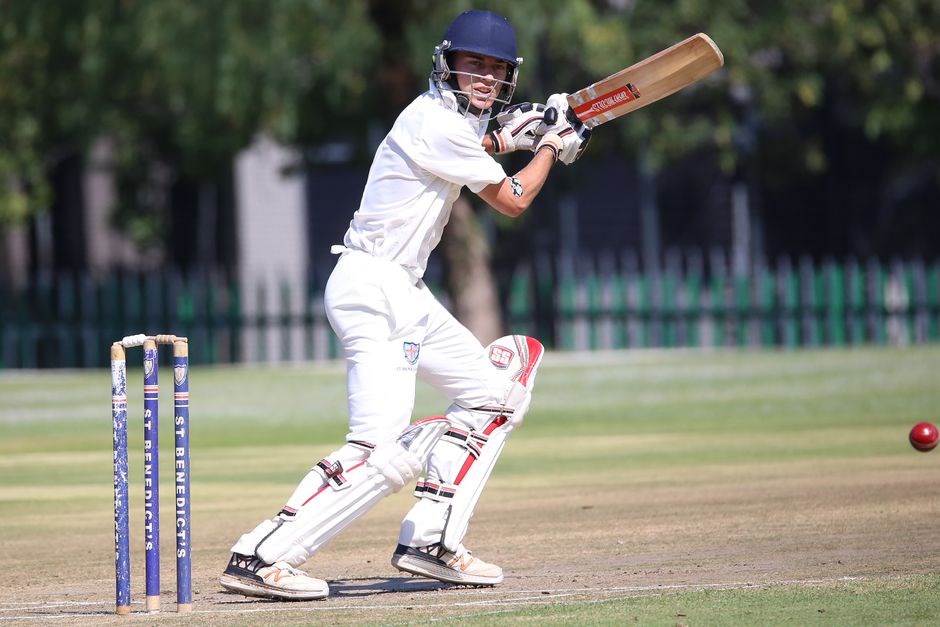
Swing speed, hand strength, and timing dictate bat choice. Faster swings benefit lighter, higher‑balance bats, while stronger hitters may prefer heavier, lower‑balance options for added power. Players should test swing velocity and contact zone to match bat weight and length. Test for confidence! Ok
Swing Speed, Contact Zone, and Power Output
Swing speed is the velocity at which a batter’s hands travel through the strike zone. It directly influences the kinetic energy transferred to the ball, with faster swings generating higher exit velocities. Contact zone refers to the sweet spot on the bat’s barrel where impact produces maximum energy transfer and minimal vibration. A well‑matched bat allows a hitter to locate this zone consistently, improving contact quality. Power output is the result of combining swing speed, bat mass, and optimal impact location. Heavier bats increase momentum, but only if the batter can accelerate them quickly; otherwise, the added weight hampers speed. Players should assess their swing mechanics by measuring swing velocity with a radar gun, noting the point of contact on the bat, and evaluating how much force is generated at that point. A bat that aligns with a hitter’s natural swing arc and strength profile will yield the greatest power output while maintaining control. Regular practice with a weighted or lighter bat can fine‑tune muscle memory, ensuring that the contact zone remains within reach during live play. Ultimately, the ideal bat balances speed, contact, and power to match the player’s unique profile, maximizing performance on the field.
Hitters use weighted drills to build arm strength, enabling them to swing heavier bats. Coaches suggest alternating between lighter and heavier bats during practice to fine‑tune timing and keep the contact zone optimal, improving averages and power more!!.
Age and Physical Development
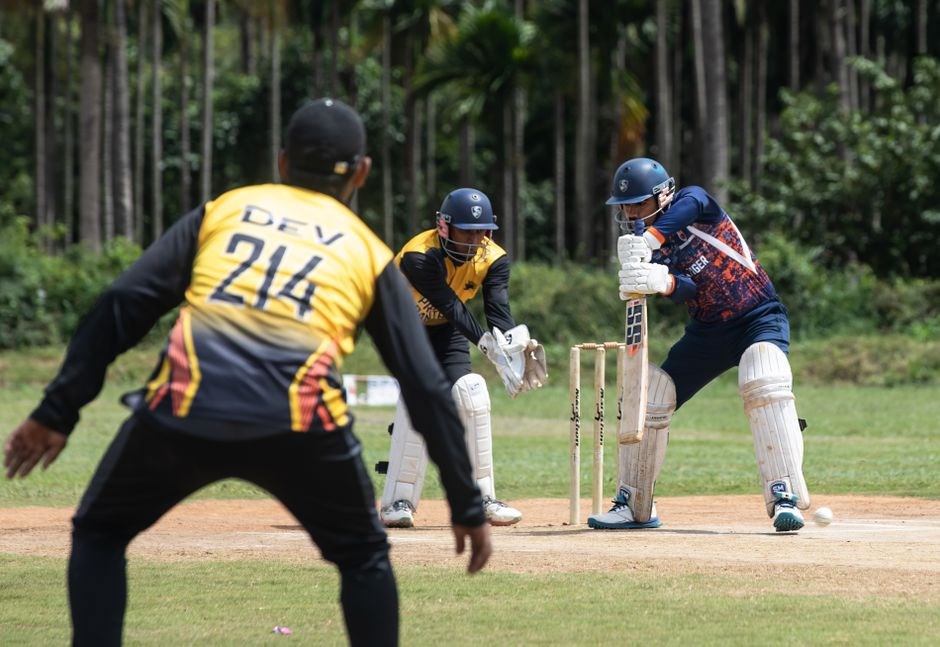
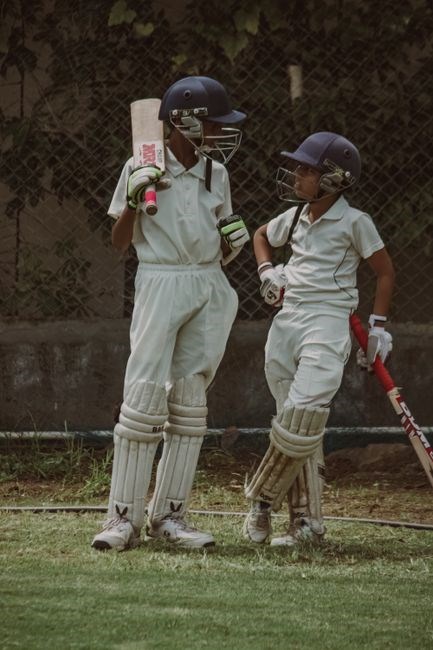
Choosing a bat for younger players depends on height, weight, and strength. Lighter, shorter barrels reduce fatigue and improve swing control. As athletes grow, gradually increase bat length and mass, ensuring the contact zone remains reachable. for all ages.!!!
Recommended Sizes for Different Age Groups
When selecting a bat for children, the primary goal is to match the equipment to the athlete’s height, weight, and strength while staying within league‑approved specifications. Below is a concise reference that aligns common age brackets with typical bat lengths, barrel diameters, and weight ranges. These guidelines are derived from the consensus of major youth baseball associations and equipment manufacturers, and they serve as a starting point for coaches, parents, and players seeking an optimal fit. These guidelines help ensure safety and performance. Use these as a baseline. See charts. !?
- Pre‑Kindergarten (5–6 yrs) – 24‑26 in., 18–22 oz.
- Kindergarten‑2nd Grade (7–8 yrs) – 26‑28 in., 22–26 oz.
- 3rd‑5th Grade (9–11 yrs) – 28‑30 in., 26–30 oz.
- 6th‑8th Grade (12–14 yrs) – 30‑32 in., 30–34 oz.
- 9th‑10th Grade (15–16 yrs) – 32‑34 in., 34–38 oz.
- 11th‑12th Grade (17–18 yrs) – 34‑36 in., 38–42 oz.
- College/Pro (19+ yrs) – 34‑36 in., 42–48 oz.
These ranges should be refined by measuring the player’s arm span and swing speed. A bat that is too long or heavy can hinder timing, while a shorter or lighter bat may limit power. Always verify that the chosen bat complies with the governing body’s length, weight, and barrel‑size limits before finalizing the purchase. Choosing the right bat can dramatically improve a player’s confidence.
Final Selection Checklist
- Verify league length limits.
- Confirm weight within range.
- Check barrel diameter for swing comfort.
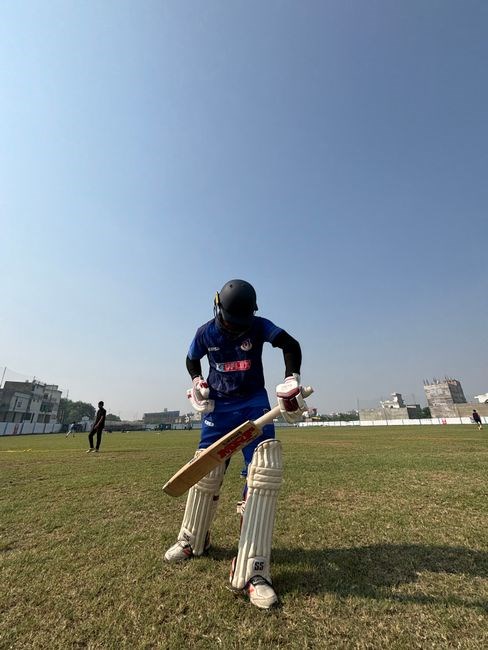
- Test feel in hand before purchase.
- Ensure proper balance point.
- Check for proper grip size and comfort.!✓✓✓✓✓
Key Parameters to Verify Before Purchase
Before finalizing a bat, confirm these critical aspects:
- Length compliance with league rules.
- Weight falls within the recommended range for the player’s strength.
- Barrel diameter matches swing comfort and contact zone.
- Balance point aligns with swing mechanics and reduces vibration.
- Material type (aluminum, composite, carbon) suits the player’s level and preference.
- Finish and coating protect against wear and enhance grip.
- Grip size and texture fit the hand for optimal control.
- Manufacturer’s warranty and return policy provide peace of mind.
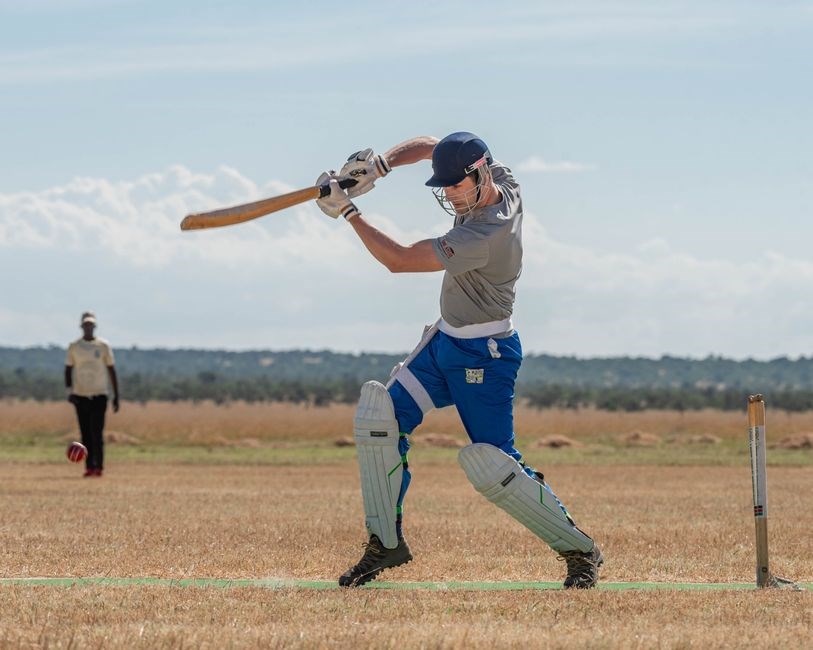
Testing the bat in hand, swinging it, and evaluating feel ensures the chosen bat will perform consistently in game situations.
- Check barrel length for proper swing arc and comfort.
- Verify barrel diameter for optimal contact zone and swing feel.
- Consider barrel stiffness to match swing speed power goals.
- Check for proper barrel finish to reduce vibration and improve grip.
- Confirm the bat’s handle length matches the player’s arm span.
- Check for visible defects or cracks that could affect performance.
- Verify handle comfort and not too thick or thin.
- Check compliance with league specifications for length, weight, and material.
- Check that the bat’s barrel is free of warping or bending.
- Check the bat’s barrel for visible dents or cracks now!!